AI Email Generation

Email Marketing
with smoove

Turn emails into revenue and convert more customers 

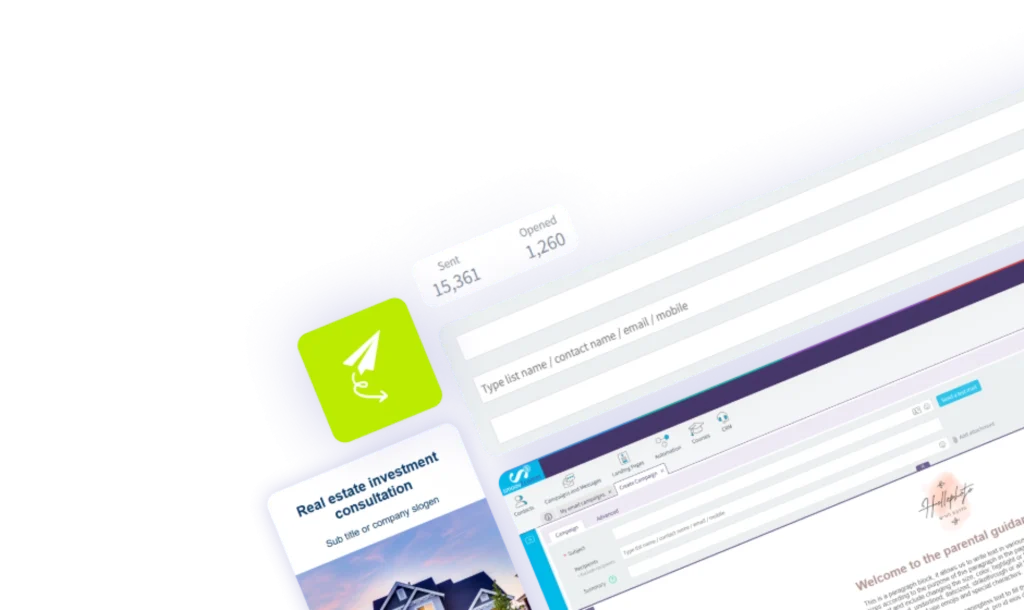
Create professional newsletters with a no-code editor, powered by AI and ready-to-use designed templates. Combine your emails with marketing automation and personalized customer journeys, and track performance to continuously improve your ROI.

Create beautiful emails
quickly and effortlessly

AI Studio and an intuitive drag & drop editor

Design professional, high-quality emails with a mobile-first approach, using an AI-powered editor that generates structure and marketing copy for you, alongside dozens of ready-made templates for any business need. Drag and drop dedicated content blocks – text, images, videos, products, events, and more, and save time and resources.
Want to refine your content? Adjust and improve your copy in one click with Magic Tweak.

רוצים לשפר תכנים? שנו ניסוחים ודייקו אותם בלחיצת כפתור, עם ה-Magic Tweak.

Convert more customers
with personalized email marketing

Personalization and content targeting

Design professional, high-quality emails with a mobile-first approach, using an AI-powered editor that generates structure and marketing copy for you, alongside dozens of ready-made templates for any business need. Drag and drop dedicated content blocks – text, images, videos, products, events, and more, and save time and resources.
Want to refine your content? Adjust and improve your copy in one click with Magic Tweak.

רוצים לשפר תכנים? שנו ניסוחים ודייקו אותם בלחיצת כפתור, עם ה-Magic Tweak.

Improve campaign performance and deliver real-time value

Analytics and performance insights

Track delivery data, open rates, and click-through rates (CTR). Schedule messages for optimal timing and run A/B tests to understand what really works, and maximize performance with data-driven decisions.

Retain customers
with automated email flows

Advanced marketing automation

Send automated email sequences that engage your customers at every key moment on their journey toward repeat purchases. Combine email with additional channels like SMS and WhatsApp to create a seamless communication experience, and nurture leads with valuable, personalized content, delivered precisely when it matters most.

Frequently asked questions about Email Marketing

Email marketing is a direct communication channel that allows you to send updates, content, and offers straight to your audience’s inbox. It’s an essential tool for any business looking to build a community and increase conversions in a simple and effective way.

No. smoove is built with a no-code interface that allows anyone to create professional emails using ready-made drag & drop blocks. Simply design and send, no need for additional tools or professionals.

Yes. The system includes a wide variety of pre-designed templates that you can use as a starting point and customize as needed, so you can create professional emails without starting from scratch.

All your contacts are managed in one place. You can organize them into lists, add custom fields with personal data, and segment audiences based on behavior or attributes, allowing you to send more accurate and relevant messages.

Absolutely. smoove offers marketing automation based on triggers – customer actions or predefined timing. For example: welcome emails, reminders, purchase and cart abandonment flows, or educational email sequences.

Yes. You can display personalized content for each recipient based on their data. You can also use smart links to track clicks and engagement, and continue communication accordingly.

smoove provides real-time analytics including open rates, click-through rates (CTR), bounce rates, and more. This data helps you optimize your campaigns and improve future performance.

Deliverability is a top priority. smoove complies with international sending standards (such as DKIM, SPF, and DMARC) to maximize inbox placement. For more details and best practices, we recommend reading the related guide.

We’ve created a process where, beyond handling incoming leads, we deliver personalized content tailored to each prospect. Now, leads come to us much more informed about our offerings, making conversations smoother and saving us significant time and effort. This also allows us to provide personalized attention to each contact and retain them more effectively.

Shlomi Ben Lulu
Digital Manager, Reidman College

Email gallery

Beautiful, ready-to-use email templates,
All that’s left is to add your content!

Learn More About Email Marketing

Newsletter: A Marketing Tool That Can Transform Your Business

Meet the newsletter – a direct communication channel that allows businesses to connect personally with their customers, share valuable information, and promote products and services in a targeted manner. Interested in using it but unsure where to start or what benefits it offers? This guide will show you how to create an effective newsletter for your business.

What Is a Newsletter?

A newsletter is a way to distribute information via email to a predefined list of recipients. It’s a communication tool that enables businesses to share updates, tips, promotions, and more directly with their target audience. Compared to other marketing channels, newsletters are cost-effective and efficient for reaching both current and potential customers. They can include diverse content, such as new product announcements, professional advice, or customer success stories, all designed to add value to the reader and strengthen the business-customer relationship.

Distribution Methods

The most common way to distribute newsletters is via email. However, there are other options, such as sharing through social media or dedicated apps. Tools like smoove offer advanced features for newsletter distribution, including audience segmentation, automated sending, and detailed campaign performance analysis.

How Does Newsletter Signup Work?

Newsletter signup typically starts with a registration form on a website or dedicated landing page, where the user provides their contact details, primarily an email address. Marketing automation tools manage subscriber lists, send confirmation emails, and schedule newsletter deliveries. Advanced personalization and targeting options allow segmentation based on demographic or behavioral attributes, ensuring the content remains relevant to each recipient.
It’s important to ensure that newsletter subscriptions are voluntary and comply with privacy regulations like the GDPR in Europe or anti-spam laws in Israel.

Benefits of Using Newsletters for Your Business

Newsletters are an excellent tool for building long-term customer relationships. They enable businesses to maintain regular contact with their audience, deliver valuable content directly to their inbox, and enhance brand recognition. They are also effective in encouraging repeat customers through relevant and engaging content, exclusive subscriber offers, and personalized messages like birthday greetings or complementary product recommendations.

How to Create a Successful Newsletter: Step by Step

  1. Define Your Goals
    Start by setting clear objectives for your newsletter. Are you aiming to boost sales, strengthen your brand, or provide professional insights? Well-defined goals will guide your content and strategy. Use the SMART framework (Specific, Measurable, Achievable, Relevant, Time-bound) to establish actionable objectives.

  2. Understand Your Audience
    Knowing your audience is crucial. Identify their needs, preferences, and challenges to create content that resonates with them. Use surveys, feedback forms, customer data analysis, and tools like Google Analytics to gain insights into your target audience.

  3. Write Quality Content
    Content is the heart of your newsletter. It should provide real value, whether through professional advice, practical tips, or industry updates. Avoid overly technical language and focus on topics that interest your readers. Personal stories, real-life examples, and statistics can make your content more engaging. Running out of ideas? Here are 8 ideas for crafting newsletters that add value to your readers

  4. Design Professionally
    Your newsletter’s design should be clean, professional, and aligned with your brand identity. Ensure it is responsive and accessible across devices. Use consistent colors, readable fonts, and well-structured layouts with headings and subheadings. Spacing and minimal visual clutter are key to readability.

  5. Include a Clear Call-to-Action (CTA)
    Every newsletter should have a clear and prominent CTA, such as a button inviting readers to shop, read more, or share the newsletter. Place the CTA strategically, such as at the top or after relevant content, and use active language to encourage action.

5 Tips for an Effective Newsletter

  1. Balance Text and Visuals
    Incorporate images and illustrations to enhance the appeal and clarity of your message.

  2. Be Creative and Unique
    Stand out with an original writing style, unique design, or exclusive content.

  3. Use Videos and Images
    Visual content like videos can convey messages more effectively than text alone.

  4. Test and Optimize
    Perform A/B testing on elements like headlines, images, or send times to improve performance.

  5. Focus on One Key Message
    Keep each newsletter focused on a single central message to maintain reader attention and drive action.

In Summary

Newsletters are a powerful marketing tool that can boost sales and enhance your brand. However, careful planning and execution are essential for success. At smoove, you’ll find comprehensive solutions for email marketing and automation, along with advanced tools for design, audience segmentation, performance analysis, and automation. Join us and manage your campaigns easily and efficiently from anywhere!


Behind the Scenes with smoove Users / Eran Peer – Travel Entrepreneur

Meet Eran Pe’er – Tourism and Travel Entrepreneur / Manager of Israel’s Largest Camping and Travel Community.

Eran, a former tech professional, manages Israel’s travel and camping community, which has over 111,000 members, along with several other travel-related groups.

What started as a hobby, writing a travel blog with recommendations for trails and destinations, evolved into a thriving Facebook group and community, thanks to loyal followers.

Eran is deeply committed to his community, investing more than 100% of his effort and spending most of his time in the field promoting various projects (we know this firsthand, as some of us go camping occasionally). Even our conversation with him takes place while he’s driving to Jerusalem for a current project.

Tell us about the beginning

“My main challenge was communicating with the community members and sending updates and tips. As the community grew, attracting members from both the website and the blog, as well as Facebook, the audience became more diverse. The information needed to be tailored to each member, and I was looking for a smart email marketing system to help with that.”

What exactly did you need?

“I needed a system that could handle multiple email registration functions. Once I outgrew the free systems, I realized I needed a more comprehensive solution, especially for the visual aspect of the content, so I chose smoove.”

How do you use the system now?

“smoove is basically my back door, right after the website. If the website is the content, smoove is the way to communicate with the customers. My main use of the system is contact management. I send out a newsletter once a week and occasionally create landing pages, but mostly I manage contacts. I also built a database of campsite managers using the system, with an embedded form and custom fields.”

Do you work with multiple mailing lists, or are they all in one main list?

“I have dozens of mailing lists. Each registration source, each campaign, and every area I work in has its own list. Every product I sell has an interested list, and I track payment processing and more. Everything is organized into lists.”

Recently, he launched a membership club for his community, offering group sales, exclusive benefits, and special discounts on gear and attractions. All group sales are managed through smoove lead forms on his website, which then connect to a payment processing system.

What other uses do you have for managing the club?

“I have a dedicated list for club members and use a custom field I created for the membership number. When I send the welcome email to each member, this field appears along with their other details. It helps with customer identification and tracking.”

Would you say using the system is easy for you?

“Most of the time, I have no issues, and since I come from the tech world, I understand how it works. When there are problems, I rely on support, and at the beginning, I used the guides to learn how to operate the system. It’s pretty straightforward for me.”

“I think most people don’t really know all the capabilities of the system,” he adds. “I mainly focus on list management as I mentioned, but I know there are other features and capabilities I haven’t explored deeply yet.” He refers to automation, which he currently uses primarily for creating email series about purchased products but plans to expand to more uses in the future.

What’s the feature that excites you the most?

“Custom fields. Although I’m at a fairly basic level of use, I already see how it helps me control and analyze data in the most convenient way. I also really like the ability to create mobile-optimized landing pages; it’s very convenient for people working from their phones.”

Finally, do you have any tips for using the system efficiently?

“If you have many products and services, it’s important to create as many contact lists as possible to help you segment customers and processes. If you have sub-services and sub-products, this will help you a lot.”

There’s no doubt that when it comes to building relationships with customers (and we certainly are talking about that), Eran provides a great example of how to do it right, and there’s much to learn from his approach.

We were particularly impressed by his ability to manage personal contact fields while simultaneously handling multiple focused lists to provide each person with relevant content, thereby strengthening the community connection. If that’s not the core of relationship-based marketing, then what is?

How about you? Do you use different lists to segment and manage your contacts? Share your experience with us, and maybe we’ll feature you in our blog.

How to Turn a One-Time Customer into a Regular Customer

As business owners, you’re familiar with these types of customers. They might come through a campaign, hear a recommendation, receive your product or service as a gift, or redeem a coupon. Now that they know your product is good, they have the potential to become regular customers. So, how can automation help you (along with a few other tricks)?

Abandoned Customers are the customers who made one purchase but never returned. There are also the more complex cases—those who filled their shopping cart and then left the site. Both types of customers already know the product and have been convinced by a campaign, recommendation, or active search, yet they didn’t complete the purchase. Why does this happen? Research, mainly through surveys like this one by the American company Baymard, shows that the most common reason for cart abandonment (cited by 60% of respondents) is high additional costs such as taxes or shipping fees that significantly increase the final price. Other reasons include sites that only allow purchases through an active account, website glitches, lack of preferred payment methods, and more. Only 4% mentioned “credit card declined,” indicating that most visitors are capable of making a purchase if the conditions are favorable.

The Cart Abandoners Group

Before being business owners, you’re also consumers in a hyper-consumer world. You browse dozens of e-commerce sites daily, searching for your next purchase. You know that customers leaving a site despite having a full cart is not uncommon. But for your business, it’s less than ideal. Research has long tried to understand the reasons behind cart abandonment. We’re here for the solutions.

  1. It All Starts with a Pop-Up

It’s possible the abandonment wasn’t personal. Our world is full of distractions, and one might have caught the customer right before they filled in their credit card details. Therefore, we want to ensure every new visitor leaves their email address or mobile number and joins our mailing list. A sign-up pop-up should include a compelling offer, like a discount or free shipping on the first order (and no, a coupon code for the next purchase doesn’t count). This encourages purchase completion and allows us to follow up with the customer, even if they abandon their cart.

2. Now, Reminders

We have one customer, one email, a full cart, and zero purchases. The best approach is a gentle reminder. Send an initial email with a personal link to their abandoned cart, in a friendly tone, without guilt or pressure, highlighting the benefits of the product. Including a content piece, research, or professional information related to the product’s values and benefits can also help.

3. Tough Nuts to Crack

Some customers won’t respond to emails or empty their cart. The next email in our automation series can be dedicated to them. Include a direct link to the abandoned cart and an additional incentive (e.g., free shipping) to persuade even the stubborn ones. Don’t give up on them too quickly; you can also reach out via SMS or WhatsApp. Any message or content prepared for email can easily become a personalized smartphone campaign.

4. Last Tip from Us

Customers often abandon their cart due to frustration with the purchase process. Try to understand why. Is the registration process too long, with no option for guest checkout? Are the shipping costs too high, making the total price unreasonable? Is the website not mobile-friendly, making the browsing experience unpleasant? These questions can help identify the breaking point for customers on their way to a successful purchase.

The One-Time Customers Group

The one-time customers are those who visit the site, fill a cart, complete a purchase, and then disappear. Or do they?

There are various reasons for not returning after a purchase. While we’re here to provide solutions, you need to answer a few questions first:

  1. Do you have a consumable product? If so, how often is it needed?
  2. Do you have additional products to offer?
  3. What’s your primary sales model (product purchases, monthly subscriptions)?
  4. Are your customers satisfied?

The Right Email at the Right Time

You know best how long your products last and when customers might need a refill. With this knowledge, you can time an automatic email reminder just when the customer is likely running out. Besides email, a reinforcement SMS or even a WhatsApp message can keep you in their mind. For instance, one of our clients who owns a pet store sends WhatsApp reminders to customers based on their last purchase, prompting them to buy more pet food or replace a flea collar, keeping them in the customers’ minds.

We Have an Offer

It’s likely that a customer who bought from you once would be interested in more products. In our automation for occasional customers, we include an email suggesting additional products. The more accurate the suggestion, the more likely additional purchases will follow. For a customer who bought gluten-free products, offer more gluten-free items; for one who bought a towel set, suggest bed linens. You get the idea.

Hey, Become a Subscriber

If your business offers consumable products or services that fit a recurring model, offer monthly, annual, or whatever-frequency subscriptions. This secures regular income and a base of regular customers, reducing time-consuming tasks and letting you focus on what truly matters.

How Was It?

Hearing from first-time customers about their experience is always exciting. It confirms we’re on the right track and encourages continued excellent service and products. This quality control can be done in several ways, such as sending a survey, an automatic email/SMS/WhatsApp to customers after a reasonable time post-purchase. Opening a direct communication channel helps build and maintain a relationship, ensuring customer satisfaction.

How Do You Actually Do All This?

Here’s an example of a basic automation process that will help you welcome customers who have purchased from you once, allowing them to get to know you better and connect through value propositions and additional tips:

Define a Trigger – Joining a List
All customers will be added here after their first purchase.

Add an Action – Send Email
Send a brief introductory email with details about yourself and your business, and thank them for their purchase.

Add an Action – Delay
Set a waiting period before sending the next email in the series.

Add an Action – Send Email
After the defined waiting period, send an email to remind them that you’re here. Include an interesting tip or a customer story they can relate to or be inspired by.

Add an Action – Delay
Set another waiting period before sending the next email in the series.

Add an Action – Send Email
Send the next email in the series. This one should continue to build the relationship by providing value with an interesting article or important tip. You can also include a purchase offer or special deal for new customers.

*You can, of course, continue the series with additional emails, depending on your goal and the customer journey you’ve defined.*

The main idea of this process is to reinforce customers’ choice in you and provide real, personalized value based on the information you have. This way, they’ll know that you understand them and their needs, thereby strengthening their loyalty to your brand and to you.

By deepening your relationship with customers, you can incorporate relevant offers and incentives within the email series to maximize revenue from your existing and loyal customers.

And What About the Emails?

You can easily create these emails using our designed templates. Our system offers dozens of templates categorized by professional fields and special occasions. 

In Summary

By refining your approach to abandoned customers and correctly categorizing them to provide relevant responses that prompt action, you increase the chances of converting abandoners into buyers.

A short and simple customer journey that will simply bring in more money. Don’t miss out on it.

How Reidman College Maximized Lead Retention with Marketing Automation

Imagine a business with numerous potential customers, each interested in different services. Customers sign up on the website, and each one needs a follow-up. Every sales call must be tailored to the specific service they’re interested in. This means making a lot of sales calls, each starting from scratch—understanding what interests the customer, providing information about the service or product, emphasizing its benefits, and so on. Some don’t answer the phone, some are interested but not ready to buy, and some are suddenly irrelevant. You need to track the status of each lead—imagine the complex Excel sheet! Is it even possible to manage this efficiently with so many variables? The answer is yes.

To understand how to do this right, we met for coffee with Shlomi Ben Lulu, the Digital Manager at Reidman College, and heard about an interesting automation process they recently created to maintain contact with incoming leads and build relationships with prospective students.

Before diving into Shlomi’s insights, for those unfamiliar, Reidman College is Israel’s leading college for complementary medicine. It’s a large institution with five campuses across the country, offering training in a wide range of fields.

What led you to turn to smoove?

“First of all, the need to maintain continuous contact with incoming leads. Sometimes it takes a long time to decide to enroll in studies; it can even take a year from the moment someone shows interest until they decide to start studying. We needed a solution that would allow us to build a relationship with these prospects and maintain continuous contact. smoove has the capabilities to meet this need.”

What solution did the system provide?

“We created a process where, beyond addressing incoming leads, we also generate personalized content for each prospect. Initially, they receive an email with a video clip of graduates from the program they showed interest in, talking about their studies at the college, job opportunities, and more. We can then see who opened the email, who watched the clips, and based on that, send additional emails with content like articles about the program they were interested in, highlights on why to choose Reidman, and so on.”

Shlomi’s process distinguishes between irrelevant leads, incorrect numbers, unanswered numbers, and provides a comprehensive solution for handling incoming leads.

As someone who created the process on our system by yourself, would you say it’s user-friendly?

“I did all the automation design myself, literally sat down and wrote out the entire process and scenarios on paper to organize my thoughts, then transferred it to the system itself. Working on the system is very simple, drag & drop. The key is understanding the differences between the features and continually improving. I’m always checking and refining my process, and I plan to continue enhancing it.”

Did you get any support?

“In terms of the actual work, I did everything myself. I got advice and feedback from Dudi at Getyou company on what I wanted to do in advance, and I used Zapier to connect smoove with our CRM system.”

Today, Shlomi has control and monitoring of all incoming leads directly through his customer management system. He can see every lead they tried to reach and the process they went through.

How long did it take you to set up this process?

“Two weeks, more or less, from the moment I started until it started working. Of course, I’m not only doing this, but I dedicated at least two full working days to it.”

Tips for DIY enthusiasts?

“It’s crucial to consider all possible scenarios. Things don’t always go exactly as planned, and it’s important not to lose anything along the way and provide a solution for every possible scenario.”

Results of working with the system

“Previously, leads that reached the telemarketing representatives were ‘cold’ leads, interested parties who hadn’t received any attention, didn’t know details about the college, and the conversations with them were completely different from what happens today.

Today, leads come in much more prepared, people already have knowledge about the programs, which makes the conversations much easier and saves a lot of time and effort. It also allows us to give attention to everyone and retain them. For example, those we used to miss if they didn’t answer the phone now get continued attention via email.”

In summary, are you satisfied with working with the system?

“Absolutely. The whole concept of working on marketing automation is correct and recommended, and smoove delivers the solution very well.”

Conclusion

If you’re also facing challenges in managing your relationship with leads and potential customers, we invite you to check out our feature page on the website. With our tools, you can start building the automation that suits you right now.

8 Ideas for Crafting Newsletters that Add Value to Your Readers!

Ever found yourself staring at your client and prospect list, eager to send out newsletters that not only provide value but also deepen your relationship with them? Yet, week after week, it becomes a serious challenge, requiring you to constantly hunt for topics. Sometimes, there just seems to be nothing worthy to write about in a newsletter, right?

Often, clients express their eagerness to regularly send out newsletters but get stuck because they feel they have nothing to say. We tell them – your business is a universe unto itself! Drawing from our experience, there are plenty of intriguing topics to write about, offering clients diverse and valuable content.

We’ve decided to halt everything and address a question that plagues many business owners:

What to Write in a Newsletter?

Here, we’ve compiled 8 content ideas to incorporate into your newsletters, helping you provide value to your clients and maintain diversity (in the second part of the article, we’ll offer a method for working with these ideas).

1. Professional Insights | Industry News Updates

It’s crucial to remember that your clients might not be well-versed in your professional field, and even basic definitions or terms that seem crystal clear to you might not be so for them.

Include brief and accessible explanations in your newsletters about fundamental concepts or interesting news in your field.

For example, if you’re in interior design, you could explain different types of materials used in renovations and their purposes. Therapists can differentiate between various emotional phenomena, fitness professionals can delve into core muscles and their importance, nutritionists can detail vital vitamins and their roles, photographers can elaborate on camera lens types and their uses, and so forth.

2. Repetitive content types – Q&A | Tips | Inspiration

Whether you send newsletters biweekly or monthly, having repetitive content types can create a sense of continuity between emails and enable you to provide accessible value easily.

The idea behind this is to create varied content under a recurring title. Here are some examples from our newsletters: “Champion Tips” where each newsletter presents a tip for utilizing a system or feature, “Ask the Expert” – questions you send us and our answers.

Examples: Q&A (you can ask clients to raise questions on social platforms and answer one or two in the newsletter each time), professional tips, news and updates, inspiration corner, weekly client spotlight.

3. Updates – What’s New in the Business

Your clients will be glad to hear what’s new in your business, whether you attended an interesting professional conference, completed essential training, learned a new field to enhance your professional toolkit, or participated in an intriguing professional project.

Even if it may seem uninteresting or irrelevant to you, remember that your clients love to know that you’re a business that evolves and refreshes itself, investing in learning and staying updated on all the important matters professionally.

4. Client Case Studies

When you recount a process you’ve been through with a client, from the initial referral and presenting the need/problem to the solution, you create identification with clients experiencing similar issues, who will also want to seek your help.

Additionally, it allows you to share how you provide service, talk about the highlights of your process, and detail the variety of needs and problems your clients have, along with the various solutions you can offer.

All these build a strong sense of trust, highlight your professionalism, and significantly increase the likelihood that clients with similar problems and needs will turn to you.

Of course, this can be done discreetly, without revealing customer details if they concern sensitive topics.

5. Tutorials and DIY

People love learning how to do things, so tutorial and DIY content works really well. Include short videos or written guides related to your field of expertise, whether it’s teaching clients to create something or guiding them in usage. If you sell products, it could be demonstrating how to use them, or offering guidance on handling different situations and explaining processes if you’re service providers and consultants.

6. Behind the Scenes

Pictures and stories from your business’s daily life, preparations for meetings, working on content in front of the computer, or summaries of consultations and price proposals – share these with your contacts through photos showing you even in these moments, or write a few words about how you do it and what your workflow is like on various topics. Yes, it works in newsletters too, not just on social media. Remember that customers seek value from you not only on Facebook and Instagram.

The goal is to strengthen the personal connection and show more facets of your business activities. Ultimately, people connect with people, and the way you conduct your business can tell a lot about who leads it. Sharing like this helps clients connect with you, reinforcing their trust in your professionalism.

7. Links to Blogs / External Websites

Do you have a website or blog where you publish professional articles? Include links to such articles in your newsletters. This way, you not only offer additional value to your clients but also generate traffic to your website/blog.

Additionally, occasionally include links to external websites or pages of professionals and colleagues you admire and get inspiration from, sharing relevant and interesting content related to your professional world.

8. Personalized Greetings | Customized Offers

Use content customization to make your emails personal. This allows you to offer your audience super-relevant content tailored to them, like birthday specials and offers, or discounts on services and products related to their interests, status, location, etc.

The more personalized the email content is to the readers, making them feel they received a unique offer from you, the significantly higher the chance they’ll convert the purchase offer and remember you as business owners who provide value and cater to their needs, leading to repeat purchases.

So, what do you do with all of this now?

Ah, good that you asked!

Now, to implement this practically – prepare yourself a list/table/whatever works best for you in writing, and plan ahead what you’re going to write in the coming months.

That means, under each item we detailed above, write down everything that comes to mind and might be relevant as a topic:

* Names of professional terms worth knowing in your field. Start from the basics and build from there.

* Questions that are frequently asked of you in the context of your profession.

* Tips you want to write to your audience on using products, handling situations, operating procedures, etc.

* Professional updates from the business’s life.

* Names of all clients you have interesting process stories with, even if it happened a while ago 🙂

* Ideas for written or filmed tutorials (or links to those you’ve already published).

* Links to interesting blog articles of yours or colleagues, links to inspiring websites you love.

* A list of events, courses, or conferences you’ve participated in or plan to participate in soon.


Once all of this is ready for you in advance, start scheduling topics for yourself by newsletter dates you want to send out – what will be written in each newsletter. So when the time comes, you already have the planned topics for that newsletter.

This will make the whole process much easier and convenient for you and help you send out newsletters regularly.

Anything else?

Yes! Don’t forget to add a headline that will make your audience want to open the email!

Good luck!!!

Lead Nurturing is a crucial aspect of any successful business

Just like how well-groomed appearances catch our attention, leads who are nurtured properly are more likely to convert into paying customers. To maintain a high conversion rate between the number of referrals and the number of new customers each month, it’s important to take small but consistent actions that ensure the cultivation and nourishment of the ingredients that form the foundation of a thriving business.

You poured your blood, sweat, and tears into establishing your business. You invest in it day and night, always striving for professionalism. You even make sure to keep the water jug at the entrance refreshed and send price offers on stylishly branded paper. You could say that you do these small things to nurture your business, to give it the extra care it needs to thrive and succeed.

But in this complex process – and it certainly can be complex – there is one vital aspect we mustn’t overlook: lead nurturing. We’ve already discussed how to generate leads and maintain a satisfactory ROI, but now we need to focus on what comes next. How will we present ourselves in the best possible light to every person who has chosen to turn from an anonymous surfer to an identified potential customer and given us their details? This is where cultivating our business comes in.

Every journey begins with a single step

At the heart of every compelling story lies a fundamental rule of creative writing: there are two types of death. Either the protagonist embarks on a journey, which becomes the focal point of the plot, or the story begins with the hero’s return from a journey, with the plot focusing on their experiences. We can adapt this rule to shed light on the lead nurturing process


Each lead that comes your way sets out on a journey towards becoming a customer.
This journey involves several stages, starting with the introduction and information gathering, followed by content adjustment, and ultimately, the perfect conversion leading to a purchase. From the outset, it’s essential to plan the journey with careful consideration, defining the objectives you hope to achieve and the resources you’re willing to dedicate. Determine when each stage will end and when you can move on to the next phase. With a well-planned journey, you can guide leads towards becoming loyal customers.

First step: Gathering Information and Providing Value to Your Customers

The first step in lead nurturing is to gather information from the customer that will help you tailor your content and provide them with personal value. This involves collecting relevant data such as personal and family situation, age or date of birth, city of residence, and more. However, it’s important to keep in mind that at the initial stage, customers may not be willing to share a lot of information. To overcome this, it’s crucial to present questions in stages, while demonstrating to the customer how providing their details will benefit them. This approach not only helps you gather valuable data, but also makes the customer feel valued and understood.

Second step: “Effective Audience Segmentation for Personalized Communication”

 At this stage, we can use the information collected in the first stage to refine our target audiences based on interests or other relevant criteria. With the help of Samob’s system, you can easily pre-define mailing lists for each audience, saving you time and effort.

A personalized approach to communication allows you to identify and tailor your messaging to each customer’s unique needs and interests. For example, if a customer has purchased sports shoes, they may be interested in receiving content related to physical activity. Similarly, a customer who has bought yoga equipment may respond well to special offers on exercise mats.

You can also leverage personalization to build trust and empathy with your customers. By showing that you understand their needs and preferences, you can establish a deeper connection with them. For instance, you can offer birthday discounts or send reminders to customers who purchased a box of protein powder, letting them know it’s time to restock.

Ultimately, personalization is key to delivering a positive customer experience and driving conversions. By providing relevant and timely messaging, you can demonstrate the value of your products or services and build long-term loyalty with your audience.

Here are some examples of data that can be collected to provide personalized value across various fields of activity: 

  1. Parenting guides – Collect information on the ages of the children in order to send relevant information and tips on how to behave at home based on the child’s stage of development.

    2. Fashion chains – Determine whether to send equal offers and sales on women’s, men’s, or children’s clothing based on the customer’s preferences. In addition, identify the customer’s location and offer promotions or invitations to events in their relevant branch.

    3. Business consulting / digital marketing – Classify customers as self-employed, companies, solo business owners, or part of a department or organization, and determine their fields of activity in order to tailor value propositions and tips to their specific needs.

    4. Interior design – Identify if customers are renovating an existing home, building a new home, or are interested in design and home styling, and send them customer stories, planning tips, or inspiration based on their field of interest.

    5. Bed and Breakfasts / hotels – Determine if customers are interested in couple getaways, family vacations, or solo travel, and offer them tailored content that will market the accommodation according to their specific needs.

    6. Scuba diving equipment – Collect information on the type of diving the customer plans to do and recommend suitable equipment accordingly. Additionally, classify the audience by location and send relevant promotions for local diving spots.

    7. Cosmetics and care – Identify the age of the customer and send tips and suggestions for purchasing suitable products based on their skin type (anti-aging, acne, age spots, etc.).

    8. Travel advisors – Ask customers about their preferred style of travel (couple, family, solo) and whether they are interested in vacations, urban travel or adventure travel, and send them relevant offers and articles tailored to their interests.

Third step: level up

As previously mentioned, it’s crucial to establish the endpoint of our lead nurturing process. It’s important to note that the endpoint doesn’t necessarily have to be a purchase; it can also be a successful communication with the lead that prepares them for a sales call or providing them with a coupon or benefit, such as filling out a questionnaire and receiving the results via email. The endpoint should occur once we’ve exhausted all means of cultivating the lead from our end. This means providing them with the necessary information and engaging with them to the point where we feel it’s appropriate to take the next step.
To better understand how this process works in practice, we’ve provided an example of a basic automation process for lead nurturing. This process can be generated in the system and can significantly increase the likelihood of a purchase, using the example of a lead interested in yoga.

To effectively cultivate leads, it’s important to define the end goal of the journey. This could be a purchase or a different action that indicates a willingness to engage with the business. The end of the journey can also be marked by a coupon or benefit offered to the customer. It’s important to exhaust the lead from the business’s perspective before moving on to the next stage. 

To give an example, let’s look at a basic automation process for cultivating leads, based on a yoga business:

  1. Trigger: Joining the list. Relevant leads will automatically join and provide their details.
  2. Action: Send an email. A thank you email will be sent with interesting details about the business, valuable content, and a purchase offer.
  3. Action: Wait for three days before proceeding to the next step.
  4. Condition: Check the list status to see if a purchase has been made. Customers who purchase a product or service will be added to the list of purchasing customers.
  5. Action: Send another email with training tips, inspiration, and an offer to purchase yoga equipment to those who have not made a purchase.
  6. Action: Wait for three more days.
  7. Condition: Check the list status again to see if a purchase has been made.
  8. Action: Send another email with relevant content, such as an instructional video for home training, recommendations for training clothes, and a special discount for equipment.
  9. Action: Wait for three more days.
  10. Condition: Check the list status again to see if a purchase has been made.
  11. Condition: Check the email status to see if the customer has opened the email and showed interest.
  12. Action: Add interested customers who have not made a purchase to a separate list for future sales calls, surveys, or other personal customer journeys.

This process will increase the chances of a purchase and help businesses effectively cultivate leads.

In summary

Lead cultivation is a fundamental aspect of any successful business and a reliable way to provide personalized and relevant content to every lead while collecting valuable data that will improve your customer service. Our system offers several basic automation templates for lead cultivation. Feel free to experiment with them through our user-friendly interface and embark on a journey with your potential customers. It’s an exciting opportunity to expand your customer base and engage with your audience on a deeper level.